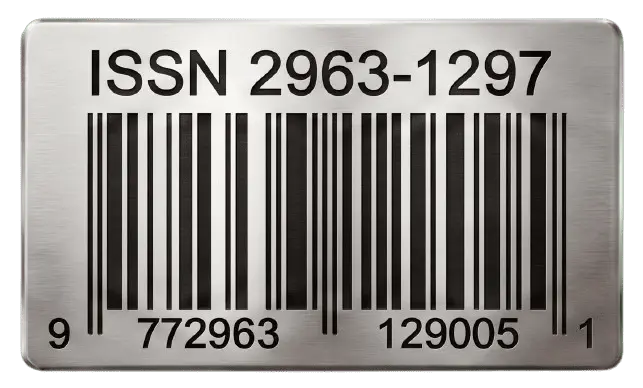
International Standard Serial Number
Print2655-2264
Electronic2963-1297
SETARA: Jurnal Ilmu Hukum applies a double-blind peer review process to ensure the quality, originality, relevance, and academic integrity of all submitted manuscripts. The identities of authors and reviewers are kept confidential during the review process.
Every manuscript submitted to the journal is first examined by the editorial team to assess its conformity with the journal’s focus and scope, author guidelines, manuscript structure, citation style, originality, and ethical standards. Manuscripts that do not meet the basic editorial requirements may be returned to the author or rejected before peer review.
Reviewers are asked to assess manuscripts according to the following criteria:
The possible editorial decisions are:
The peer review process normally takes approximately 2 to 4 weeks after the manuscript passes the initial editorial screening. The overall editorial decision may take longer depending on reviewer availability, the quality of the manuscript, and the extent of revisions required.
All manuscripts received for review are treated as confidential documents. Reviewers must not disclose, discuss, or use any part of the manuscript for personal advantage. Reviewers are also required to declare any potential conflict of interest and decline the review invitation when such conflict exists.
The final decision on manuscript publication is made by the editor based on reviewers’ recommendations, the relevance of the manuscript to the journal, compliance with editorial policies, and the author’s response to revision requests.
Print2655-2264
Electronic2963-1297
Editorial Address :
Pascasarjana Universitas Bung Karno
Jl. Pegangsaan Timur No. 17A. Menteng, Jakarta Pusat 10310, Indonesia
Email : mh@ubk.ac.id
This work is licensed under a Creative Commons Attribution 4.0 International License.